Phishability Exposure AssessmentTM
Are your users still phishable - even with MFA?
Most organizations aren’t trying to “deploy MFA” or “go passwordless.” They’re trying to stop phishing-based compromise using the tools and workflows their people already rely on - without breaking how their people actually work.
Legacy MFA levies a daily productivity tax on every user — friction, failed authentications, workarounds. That cost doesn’t appear on an invoice, but it’s real.
Who needs access to do their jobs
Frontline workers, knowledge workers, IT admins, vendors, etc.
How access happens in practice
Shared terminals, personal devices, VPNs, remote access, cloud apps, etc.
What is already being used
Badges, phones, passwords, MFA, SSO...
How credentials, devices, and access are enrolled, recovered, and changed
New device registration, backup authentication methods, account recovery.
Whether those access paths can be phished, replayed, or abused
Authentication, enrollment, and recovery workflows.
If one user were phished tomorrow — whose access would worry you most?
Attackers don’t need everyone. They need the right someone. The Phishability Exposure Assessment™ shows you exactly who that is.

Phishability Exposure AssessmentTM Details
Instead of starting with tools or architectures, we start with how access really happens today.
We examine:
- Who needs access (frontline users, knowledge workers, admins, vendors)
- How access works in practice (shared terminals, VPN, RDP, cloud apps, legacy systems)
- What authentication methods are actually relied on
- Whether those access paths can be phished, replayed, or abused — including enrollment and recovery workflows
- Where existing assets (badges, phones, workflows) can be reused to reduce risk
Our default approach is reuse before replace.
This is not:
- A full IAM transformation project
- A vendor‑driven product pitch
- A compliance checkbox exercise
- A months‑long audit that overwhelms teams
It is a short, outcome‑driven diagnostic that produces clarity quickly.
Duration: 2–4 weeks
Customer Effort: Low
Workshops: 1–2 focused, low-effort, working sessions
Step 1 – Focused discovery: We map meaningful groups and access paths.
Step 2 – Phishability analysis: Each access path is evaluated against a simple standard: Can this login be phished or reused by an attacker?
Step 3 – Practical prioritization: We identify where phishing actually matters, where risk can be reduced quickly, and where disruption isn’t
justified.
- Phishability Heat Map - A clear visual showing phishing exposure by user type and access method.
- Executive Summary - Plain‑language explanation of where you’re exposed and why it matters.
- Prioritized Recommendations - Practical next steps ordered by impact and effort — not ideology.
- Optional Expansion Path - A phased approach if you choose to act.
This service is ideal for organizations that:
- Have MFA but still worry about phishing
- Support frontline, shared, or hybrid work models
- Can’t modernize everything — but still need to reduce real risk
- Want clarity before committing to new tools or architectures
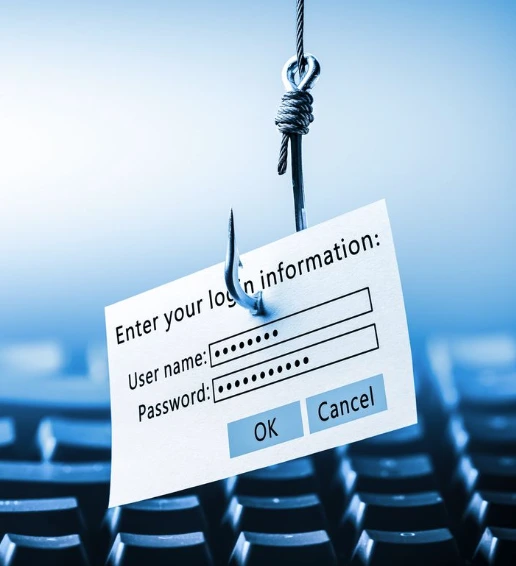
Know Who's Still At Risk
If one user were phished tomorrow, whose access would worry you most? The Phishability Exposure Assessment™ helps you answer that — with confidence.